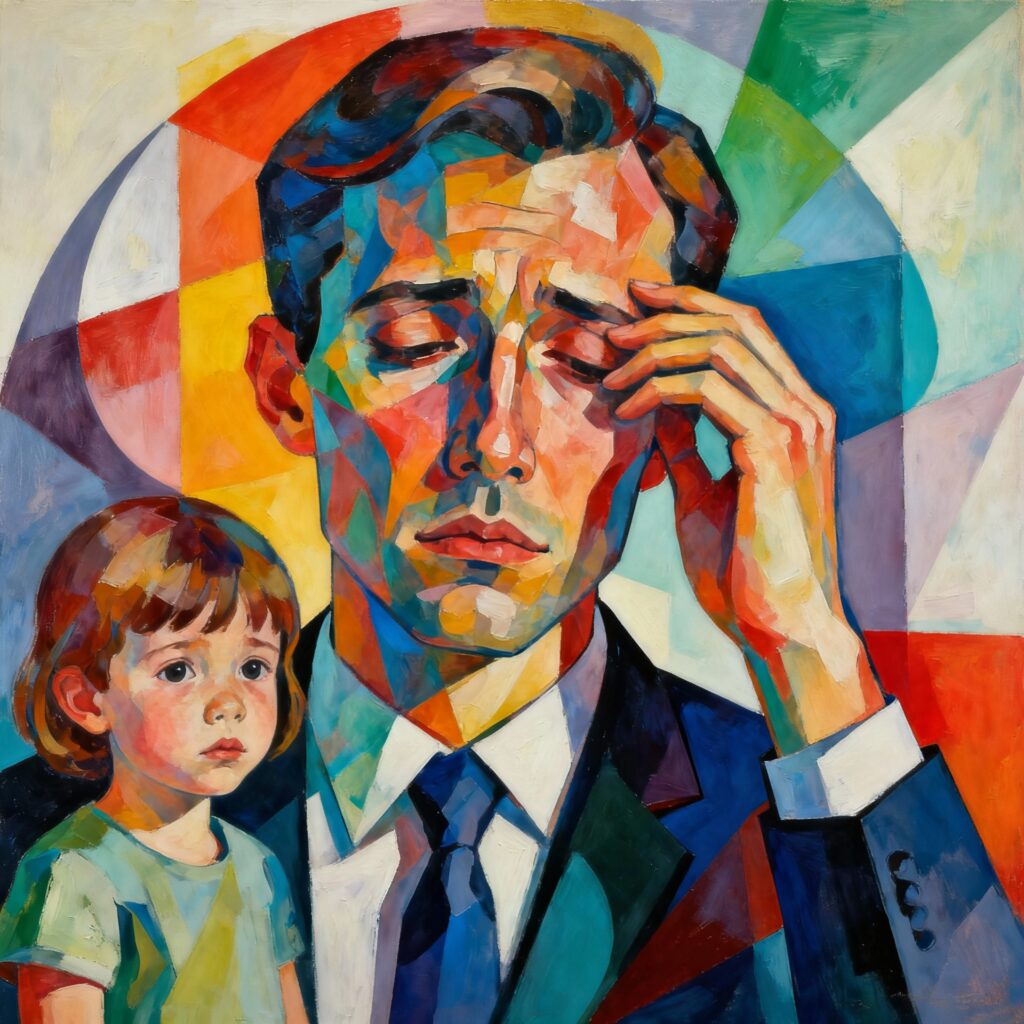
When we think about burnout, we usually picture working too many hours, having too many things to do, and handling too much responsibility. But burnout often comes from something deeper than just our jobs. Many of us learned habits as children that affect how we deal with stress, what others expect from us, and our relationships with people. Childhood trauma can train our nervous system to live in constant alert. What once helped us survive early experiences can later exhaust us in adult life.
If we grew up in a home where love or safety felt uncertain, our body learned to stay ready for anything. That constant alertness can feel like motivation or drive in adulthood. We might become high achievers who push through fatigue, seek approval, or take on more than we should. Over time, this relentless inner pressure wears us down. Our body interprets every challenge as a threat, flooding us with stress hormones that never fully settle. Eventually, our energy collapses, and we call it burnout.
Entrepreneurs feel this problem more strongly. Starting and running a business takes emotional strength, concentration, and the ability to bounce back. When we have past trauma we haven’t dealt with, our body and mind see every problem or slowdown as a threat. We work too much to try to feel secure or valuable, but this just makes us more tired. What seems like ambition might really be fear pretending to be motivation
Healing begins with awareness. We cannot change what we do not notice. When we recognize that our stress reactions are old defences, not personal failings, we can start to respond differently. Professional help, journaling, and mindfulness can help us connect with our body again and learn to rest without feeling guilty. These things don’t mean we’re weak – they mean we’re healing.
One thing we can do right now is stop for a minute and pay attention to how we’re breathing. If our breathing feels quick or shallow, we can slow it down. When we breathe slowly and steadily, it signals to our body that everything is okay right now. If we do this regularly, our body learns to relax instead of staying tense. We feel less burned out when we stop replaying old problems in our head.
You Don’t Have to Handle This Alone. If you recognized yourself in these patterns of overworking, hypervigilance, or using achievement to feel safe, know that there’s a path forward. Our Mastermind group brings together practice leaders who understand that burnout isn’t just about workload. It’s a safe space to explore the deeper patterns driving your exhaustion, connect with others on the same journey, and develop sustainable strategies for building both a thriving practice and a regulated nervous system. You’ve spent years taking care of everyone else. It’s time to invest in your own healing and growth. Book your place in our next Mastermind group at mypracticeleaders.com.au
Let’s transform the way you lead—starting from the inside out.